What Sets an Omakase Restaurant Apart From a Traditional Sushi Restaurant?
For many people, sushi dining means browsing a menu, selecting favorite rolls, and enjoying familiar flavors. While there is certainly nothing wrong with a traditional sushi restaurant experience, omakase offers something entirely different. Rooted in Japanese culinary tradition, omakase translates to “I leave it up to you,” placing trust in the chef to create a personalized dining journey based on the freshest ingredients available that day. At The Blue Pagoda in San Jose, this philosophy is brought to life through the artistry and expertise of Executive Chef Lang, creating an experience that goes far beyond a standard sushi meal.
The Unique Relationship Between Chef and Guest
One of the biggest differences between an omakase restaurant and a traditional sushi restaurant is the level of interaction between the chef and the guest. In a conventional sushi restaurant, diners typically order from a menu featuring rolls, sashimi, nigiri, and appetizers. Omakase removes the decision-making process and places it in the hands of the chef. Each course is carefully selected and prepared to highlight seasonal ingredients, exceptional seafood, and unique flavor combinations that may not be available every day. This creates a dynamic experience where no two visits are exactly alike.
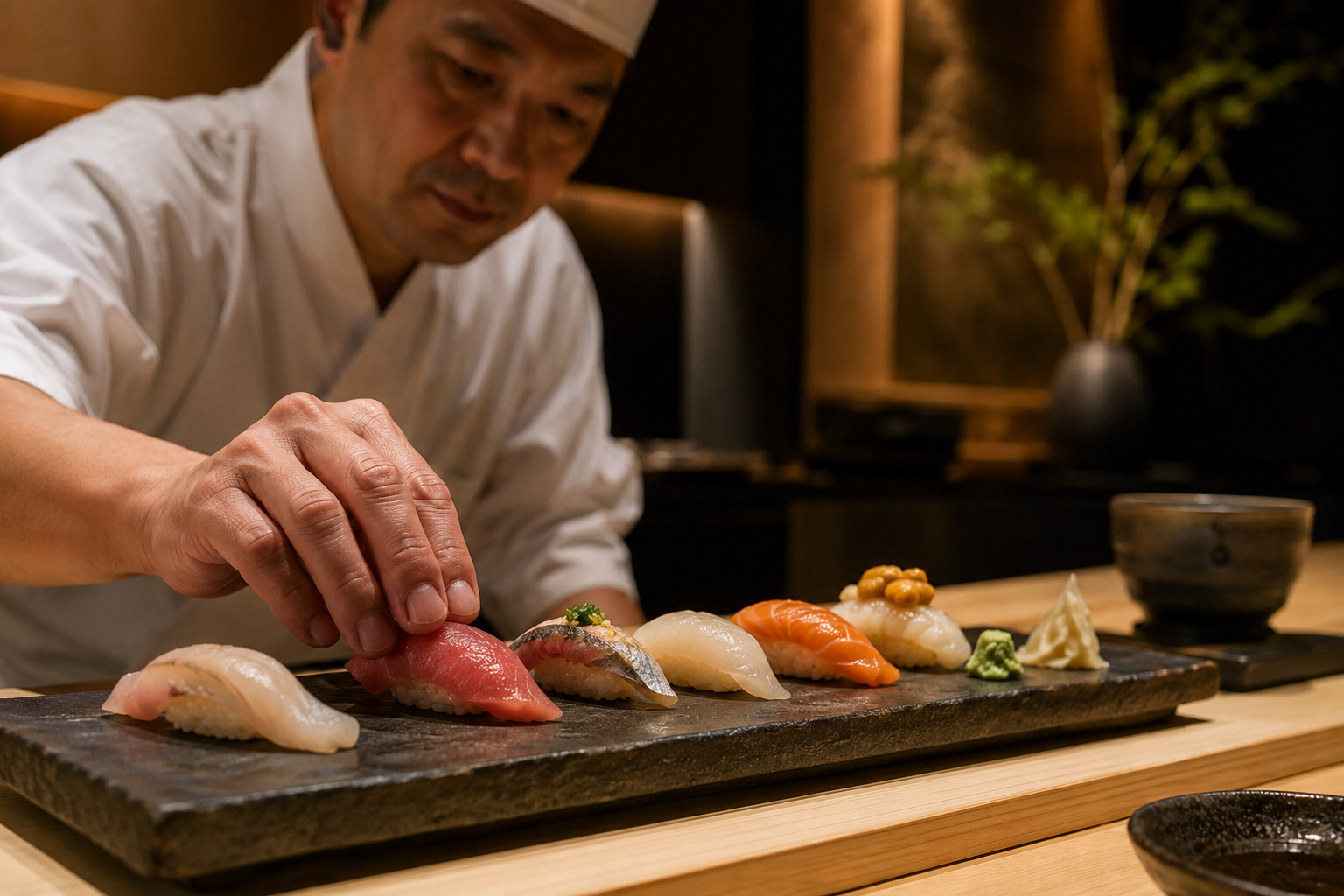
At The Blue Pagoda, guests are invited to witness the precision and creativity that define true omakase dining. Chef Lang and his culinary team draw upon decades of experience, blending traditional Japanese techniques with modern influences to create dishes that are both authentic and innovative. Trained under sushi masters in Tokyo and inspired by culinary traditions from across Japan, Chef Lang crafts each course with meticulous attention to detail, ensuring every bite tells a story.
Fresh Ingredients and Seasonal Selections
Another key distinction is the focus on seasonality. Traditional sushi restaurants often maintain a consistent menu year-round. Omakase, however, is guided by what is freshest and at its peak quality. Premium ingredients such as uni, seasonal fish, and carefully sourced produce are selected to showcase the best flavors available at that moment. This commitment to seasonality allows diners to experience ingredients in their ideal state while discovering new flavors they may never have ordered on their own.
Presentation also plays a significant role in the omakase experience. Rather than receiving multiple items at once, guests are typically served courses individually, allowing them to appreciate the craftsmanship, texture, aroma, and flavor of each dish before moving on to the next. At The Blue Pagoda’s sushi bar, diners can watch Chef Lang prepare each course in real time, creating a level of engagement and appreciation that is difficult to replicate in traditional dining settings.
Ultimately, omakase is more than a meal—it is a culinary journey built on trust, craftsmanship, and discovery.
Experience the Art of Omakase at The Blue Pagoda
For those looking to experience sushi in its most refined form, The Blue Pagoda offers an unforgettable opportunity to explore the artistry of Japanese cuisine. Whether you are new to omakase or a longtime enthusiast, Chef Lang’s carefully curated tasting experience provides a memorable evening that celebrates the freshest ingredients, exceptional technique, and the timeless tradition of letting the chef lead the way.